Yup’ik and Hmong Clothing: A Cultural Comparison
Explore the fascinating similarities between Yup’ik and Hmong clothing styles. Discover how these traditional garments reflect their unique cultural identities and shared values.


Yup’ik and Hmong Clothing: A Cultural Comparison
Traditional clothing carries the stories and heritage of a people, reflecting their way of life, climate, and spiritual beliefs. When comparing the traditional garments of the Yup’ik people of Alaska and the Hmong people of Southeast Asia, one can’t help but notice striking similarities in style, color, and design.
Yup’ik Traditional Clothing
The Yup’ik people, native to Alaska, design their traditional garments with practicality and artistry in mind. These outfits are made to withstand the harsh Arctic climate while expressing cultural identity through intricate patterns and vibrant colors. The use of fur, leather, and hand-beaded details reflects their connection to the natural world and their resourceful spirit.
Explore more Yup’ik clothing images here.
Hmong Traditional Clothing
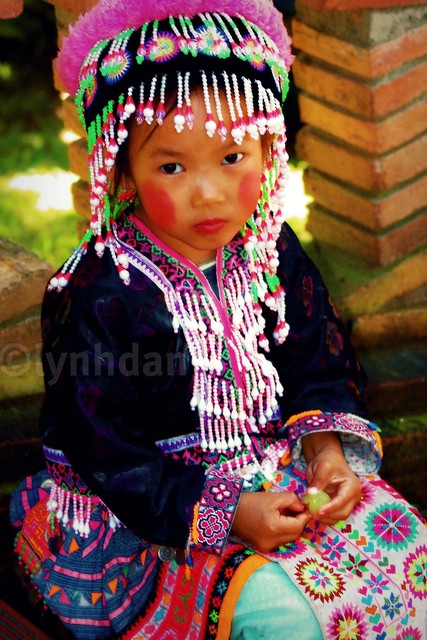
The Hmong people, originating from mountainous regions of Southeast Asia, showcase their heritage through colorful, elaborately embroidered clothing. Their outfits often feature bold geometric patterns, intricate needlework, and silver jewelry, which represent wealth and status. The vibrant designs tell stories of the Hmong’s journey, culture, and beliefs.
View more examples of Hmong clothing here.
Shared Elements in Yup’ik and Hmong Clothing
Despite the geographical distance, the similarities between Yup’ik and Hmong clothing are evident. Both cultures use vivid colors, geometric patterns, and detailed embroidery to express their identities. These shared elements might signify a deeper connection between Indigenous cultures worldwide, emphasizing their respect for craftsmanship and tradition.
Key Takeaway
By exploring the traditional clothing of the Yup’ik and Hmong people, we can better understand their histories, values, and cultural significance. These garments are not just clothes; they are vibrant symbols of resilience, creativity, and identity.
What are your thoughts on the similarities between Yup’ik and Hmong clothing? Share in the comments below!